
Last Updated on September 30, 2026 by Jean Louis
Tony Bourdain’s Screenwriters on Bringing His Story to Life

Featured Beestrot Find
I recently came across an interview with the screenwriters behind the new Tony Bourdain documentary, and it gave me a fresh perspective on how they approached his story. They didn’t just want to list his achievements; instead, they focused on capturing his essence—his restless curiosity and his unflinching honesty. The film weaves together never-before-seen footage and personal anecdotes, aiming to show the man behind the public persona, not just the celebrity chef or travel host.
What struck me most was their commitment to authenticity. They delved into Bourdain’s own writings, interviews, and the memories of those who knew him best, ensuring that every frame felt true to his voice. They also tackled the complexities of his life, including his struggles and contradictions, without sensationalizing them. It was important for them to honor his legacy while also acknowledging the darker moments that shaped him.
Ultimately, they hope the film will resonate both with lifelong fans and newcomers. By focusing on the universal themes of passion, creativity, and the search for meaning, they’ve crafted a tribute that feels personal and intimate. I walk away with a deeper appreciation for Bourdain’s impact, not just on food culture, but on how we see the world—and ourselves.
Originally reported by Francky Knapp for Eater. Click below to access the full, in-depth article.
Seaweed Emerges as a Promising Industry and Culinary Staple in Brazil

Featured Beestrot Find
I came across this fascinating piece about how seaweed is making waves in Brazil, both as an industry and on the dinner plate. The article highlights that seaweed farming is not just an eco-friendly venture but also an economic opportunity for coastal communities. It’s impressive to see how this marine plant is being cultivated sustainably, providing livelihoods while helping to restore marine ecosystems. The author points out that Brazil has a long coastline, which offers vast potential for seaweed cultivation, and projects are already underway to tap into this resource.
What really caught my attention is the culinary angle. Seaweed is not a traditional ingredient in Brazilian cuisine, but chefs and food entrepreneurs are starting to experiment with it, adding a new flavor to local dishes. The article mentions that this is part of a broader trend towards more sustainable and nutritious food options. It’s not just about sushi anymore; it’s about integrating seaweed into everyday meals, which could have significant health benefits due to its high content of vitamins and minerals.
However, the piece also doesn’t shy away from the challenges. There are regulatory hurdles and a need for more research to optimize farming techniques. But the overall tone is optimistic, suggesting that with the right investments and public awareness, seaweed could become a major player in Brazil’s blue economy. I found it eye-opening to learn about this potential, and it makes me wonder if we’ll soon see more seaweed on our own plates.
Originally reported by Letícia Klein for Mongabay. Click below to access the full, in-depth article.
Unlocking the Kitchen: Cooking for Everyone

Featured Beestrot Find
I’ve always thought cooking was a special talent, but this article changed my mind. It argues that cooking is a skill anyone can learn, not a mysterious gift. The author believes that with basic techniques and a bit of practice, anyone can create delicious meals. It’s not about fancy gadgets or expensive ingredients, but about understanding flavors and being willing to try.
Originally reported by Risé Sanders-Weir for OakPark. Click below to access the full, in-depth article.
Should You Wash Eggs Before Cooking? Here’s What Experts Say

Featured Beestrot Find
I’ve always wondered if I should rinse eggs before cracking them open, so I looked into what the experts say. The short answer is no, you shouldn’t wash eggs before cooking, especially in the United States. That’s because commercially sold eggs are already washed and sanitized to remove bacteria like Salmonella, and washing them again can actually increase the risk of contamination by pushing bacteria into the egg through its porous shell.
In the U.S., the USDA requires eggs to be washed and sprayed with a sanitizer before they’re sold, which removes the protective coating. This means they need to be kept refrigerated to prevent bacteria growth. In contrast, many other countries don’t wash eggs, leaving the natural protective layer intact, so they can be kept at room temperature. So, if you’re in the U.S., your eggs are already clean enough to use straight from the carton.
If you really want to clean your eggs, use a dry brush or a cloth to remove any visible dirt, rather than water. And always wash your hands after handling eggs, as Salmonella can still be present on the shell. Following these simple steps will keep you and your family safe while cooking with eggs.
Originally reported by Kris Osborne for Simply Recipes. Click below to access the full, in-depth article.
How to Cook Banana Peels: A Guide to Making Them Delicious
Featured Beestrot Find
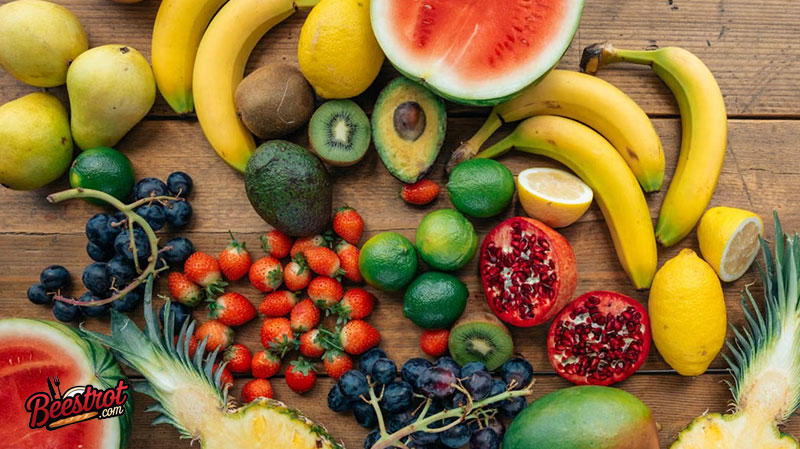
I used to think banana peels were just for composting or slipping on, but it turns out they’re actually edible and can be pretty tasty when prepared right. The article from Serious Eats explains that while we usually toss them, banana peels have a lot of potential in the kitchen. You can cook them in various ways to make them tender and flavorful, turning what’s typically waste into a nutritious ingredient.
The key is to wash them thoroughly and maybe boil or sauté them to soften their texture. I found it fascinating that they can be used in dishes like vegan ‘pulled pork’ or simply seasoned as a side dish. The taste is somewhat neutral, so they absorb other flavors well, which makes them versatile for different recipes. The article also mentions that green or slightly underripe peels work better because they’re firmer and less sweet, making them more suitable for savory dishes.
Overall, I learned that with a bit of effort, banana peels can be a creative and sustainable addition to meals, reducing food waste and adding a unique twist to everyday cooking.
Originally reported by Christie Rotondo for Serious eats. Click below to access the full, in-depth article.