Last Updated on October 13, 2026 by Jean Louis
Discover the Aromatic Secret to Perfect Bacon

Featured Beestrot Find
I recently read about a simple trick that can change how you cook bacon. It turns out that smelling bacon before you cook it might be the key to getting it just right. The article explains that this step helps you check if the bacon is fresh and ready to use.
According to the expert, the smell can tell you a lot about the bacon’s quality. If it smells off, it’s probably not good to eat. This quick check can save you from a disappointing meal. I think it’s a smart habit to pick up.
The article also mentions that this method is easy and doesn’t take much time. It’s a small step that can make a big difference in your cooking. I’m definitely going to try it next time I make bacon.
Originally reported by Alexandra Emanuelli for Simply Recipes. Click below to access the full, in-depth article.
Uncovering the Ancient Cooking Methods History Left Behind
Featured Beestrot Find
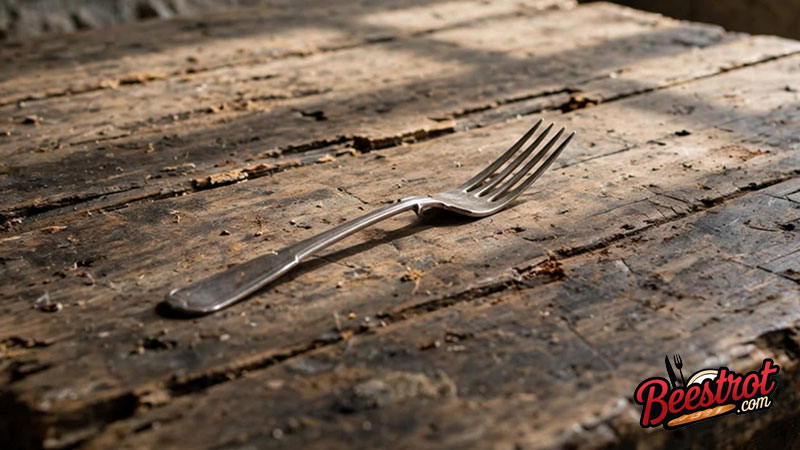
I found it fascinating to read about how many early cooking techniques have simply faded away over time. The article looks at methods our ancestors relied on for survival, from roasting over open flames to using heated stones. These weren’t just practical choices; they shaped how communities ate and gathered for centuries.
I learned that some of these old ways disappeared not because they failed, but because new tools and convenience took over. Stoves, ovens, and modern cookware made certain skills unnecessary, and with that shift, knowledge was quietly lost. It’s a reminder that progress always comes with a trade-off.
What stayed with me is how chefs and historians are now trying to bring some of these methods back. They believe these techniques can add depth to food and connect us to the past in a meaningful way. The article doesn’t romanticize everything, but it does make you think about what we might be missing when we stick only to what’s easy.
Originally reported by Billy Francis for The Take Out. Click below to access the full, in-depth article.
Chef Reif Othman on Instinct, Simplicity, and Building Distinct Dining Concepts

Featured Beestrot Find
I found this piece really interesting because it shows how Chef Reif Othman built his career by trusting his gut rather than following a rigid plan. He talks about how instinct shapes the way he cooks and runs his restaurants, and why he believes that staying true to a clear idea matters more than chasing trends. For him, simplicity is not about doing less, but about doing the essential things properly.
The article also touches on how he develops different dining concepts instead of repeating the same formula. Othman explains that each place he opens has its own identity, and that he pays close attention to what guests actually want without overcomplicating the experience. I liked how he frames simplicity as a strength, not a shortcut, and how that idea guides his menu choices and the atmosphere he creates.
Overall, the piece gives a grounded look at his approach to food and business. There is not much technical detail, which makes it easy to follow. What stayed with me is his message that instinct and clarity can go a long way, and that sometimes the most memorable dining experiences come from keeping things focused rather than adding more. I would say it is a useful read for anyone curious about how a chef thinks beyond the kitchen.
Originally reported by Lindsay Judge for AeWorld. Click below to access the full, in-depth article.
The Unexpected Story Behind the Waldorf Salad

Featured Beestrot Find
I learned from this article that the Waldorf Salad was first made in 1893 at the Waldorf Hotel in New York. It was created by Oscar Tschirky, the hotel’s maître d’hôtel, for a charity event. The original recipe only combined apples, celery, and mayonnaise, without walnuts. I find it interesting how it became a classic American dish.
Later, walnuts were added, giving the salad its familiar name and crunch. The article shares how the dish spread across the country and appeared in many cookbooks. I can see why it remains a favorite at Hilton hotels today. It is simple and refreshing, making it a timeless choice.
The story also highlights how a single creation can become a lasting symbol of hospitality. I appreciate that the Waldorf Salad is still served at Waldorf Astoria locations. It connects guests to a piece of culinary history. For me, this shows how food can carry tradition forward.
Originally reported by Editor for HIlton. Click below to access the full, in-depth article.
Cardiologist Warns Against Coconut Oil for Heart Health

Featured Beestrot Find
I recently read an article where a cardiologist explained why coconut oil isn’t good for your heart. Even though it’s often marketed as a healthy choice, it’s actually high in saturated fat—more than butter or beef fat. That kind of fat can raise your bad cholesterol, which increases your risk of heart disease. So, despite the hype, it’s best to limit how much you use.
The doctor pointed out that many people think coconut oil is a superfood because of claims about weight loss and better metabolism. But there’s not enough strong evidence to back those up. What we do know is that saturated fat is linked to heart problems, and coconut oil is loaded with it. So, swapping it for oils like olive or canola is a smarter move for your heart.
I think this is a good reminder to be careful about health trends. Just because something sounds natural or is popular doesn’t mean it’s good for you. The article suggests using coconut oil sparingly, if at all, and focusing on unsaturated fats instead. It’s simple advice that could make a real difference for your heart.
Originally reported by Kelsey Kryger for Men’s Health. Click below to access the full, in-depth article.