Tempura
Click here to learn about our image policy and how to submit your own!
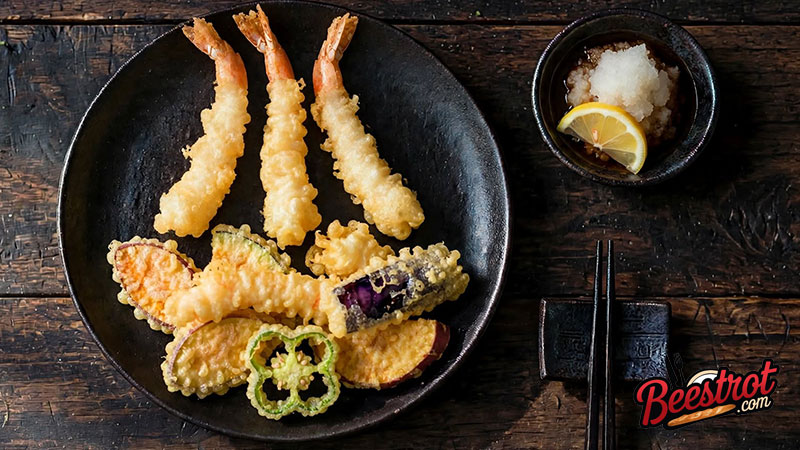
Tempura is one of Japan's great paradoxes - a dish introduced by Portuguese Jesuit missionaries in the 16th century that Japan turned into one of its most refined culinary techniques. The name comes from the Latin tempora, referring to the Lenten fasting periods when the missionaries ate fried vegetables. What Japan did with the concept was characteristically precise: a feather-light batter made with ice-cold water and minimal mixing, fried at an exact temperature, producing a coating so thin and airy it barely registers as batter at all. Proper tempura should shatter at the touch of chopsticks and reveal the ingredient inside completely intact.
Time & Quantities
Method & Ingredients
Required Equipment: Deep pot or wok for frying, thermometer, wire rack, chopsticks

Microplane Premium Classic Zester & Grater
Lemon zest, Parmesan, ginger, garlic, nutmeg, the one tool that changes the flavour of everything. A cult favourite in professional kitchens.
View on AmazonCooking Method: Frying
Ingredients
- 12 large raw prawns (peeled /deveined / tails on)
- 1 small sweet potato (peeled / sliced 5mm thick)
- 1 small zucchini (sliced diagonally)
- 8 green beans
- 4 shiitake mushrooms (stems removed)
- For batter: 1 egg yolk
- 1 cup ice-cold water
- 3/4 cup all-purpose flour (sifted)
- For tentsuyu dipping sauce: 1 cup dashi stock (or water with 1 tsp dashi powder)
- 3 tbsp soy sauce
- 3 tbsp mirin
- freshly grated daikon radish and ginger to serve
Instructions
- Make tentsuyu: combine dashi, soy sauce, and mirin in a small saucepan. Bring to a simmer for 2 minutes. Serve warm alongside with grated daikon and ginger.
- Pat all ingredients completely dry - any moisture creates steam pockets that cause the batter to puff and separate from the food. Score the inside curve of each prawn with 3-4 shallow cuts to prevent curling during frying.
- Heat oil in a deep pot to exactly 340-350 degrees F (170-175 degrees C). Use a thermometer - tempura frying temperature is specific and unforgiving. Too hot and the batter browns before the food cooks. Too cool and it absorbs oil and becomes heavy.
- Make the batter at the last possible moment - it must be used immediately. Whisk egg yolk and ice-cold water briefly. Add flour all at once and mix with chopsticks in just 4-5 strokes. The batter should be lumpy and have visible flour streaks. This is correct. Overmixing develops gluten and produces a dense coating that defeats the entire purpose of tempura.
- Working quickly, dip each piece lightly in flour first, shake off the excess, then dip in batter. The flour helps the batter adhere. Slide into oil immediately.
- Fry in small batches for 2-3 minutes until the batter is set and very lightly golden - almost pale. Tempura should not be brown. Drain on a wire rack, never paper towels, to keep the base crispy.
- Serve immediately - tempura waits for nothing and nobody. Even 2 minutes of rest diminishes the crunch significantly.
Storage & Make-Ahead
Storage Advice: Tempura cannot be stored - it must be eaten immediately from the fryer. Any leftover vegetables can be chopped and added to rice or noodles as a tempura rice bowl (tendon).
Make-Ahead & Freezing Tips: Not suitable for freezing or make-ahead. The entire appeal of tempura is the immediate crunch after frying - this cannot be replicated after storage.
Nutritional & Dietary Information
Nutritional Information:
- Calories: 320
- Protein: 22g
- Fat: 14g (Saturated: 2g)
- Carbohydrates: 28g (Fiber: 3g / Sugar: 4g)
- Vitamin A: 20% DV
- Vitamin C: 25% DV
- Calcium: 8% DV
- Iron: 10% DV
Allergen Information: Contains gluten (flour, soy sauce), shellfish (prawns), eggs.
Dietary Information: Contains gluten, shellfish, and eggs. Not suitable for shellfish allergies, gluten-free, or vegan diets.
Serving & Variations
Serving Suggestions: Serve directly from the fryer onto individual plates lined with white paper, the traditional Japanese presentation. Bring the warm tentsuyu sauce to the table with small mounds of grated daikon and ginger to stir in.
Wine or Drink Pairing: A cold Junmai sake served slightly warmed works beautifully with the delicate batter and seafood. For wine, a bone-dry Muscadet from the Loire Valley - its neutral character and slight salinity complement tempura without competing.
Possible Recipe Variations: Beestrot Signature: Add a teaspoon of black sesame seeds to the batter for a subtle nuttiness and dramatic speckled appearance that makes the tempura look like it came from a Michelin-starred restaurant in Ginza. Variations: Vegetable Tempura Only - omit prawns and use a full selection of seasonal vegetables for a beautiful vegetarian version. Kakiage - mix finely shredded vegetables and small shrimp into the batter and fry as fritters rather than individually. Tempura Udon - serve tempura prawns over hot udon noodle soup.
Additional Notes: The batter must be made with ice-cold water and used immediately. Some Japanese chefs add an ice cube directly to the batter bowl. The lumpy undermixed batter is intentional and essential - do not smooth it out.