Last Updated on October 3, 2026 by Jean Louis
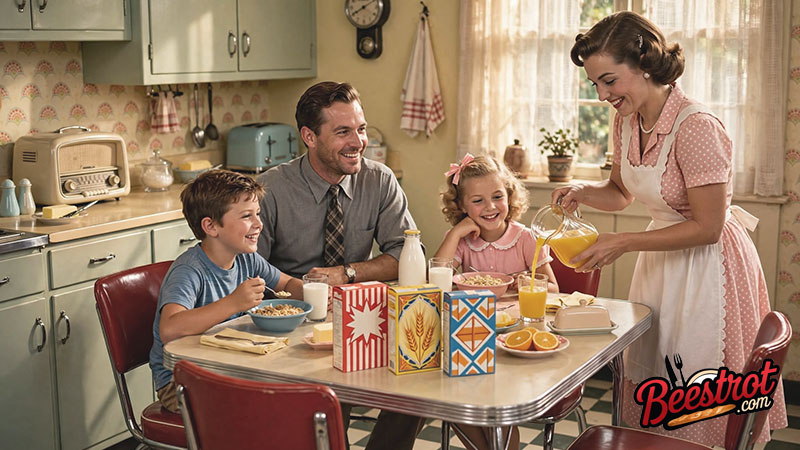
Somewhere this morning, someone felt guilty about skipping breakfast. Maybe they grabbed a coffee and rushed out, and in the back of their mind a voice said: that is not good for you. You are supposed to eat breakfast. It is the most important meal of the day.
That voice does not belong to science. It belongs to advertising. And it has been renting space in your head since 1944.
The phrase “breakfast is the most important meal of the day” was a radio advertising line. General Foods, manufacturer of cereal brands, ran a campaign in 1944 called “Eat a Good Breakfast, Do a Better Job.” The radio ads ran the line: “Nutrition experts say breakfast is the most important meal of the day.” The nutrition experts were not cited. The claim was not substantiated. It was a slogan dressed as science, and it worked so well that it became, over the following eight decades, something most people on Earth believe to be a nutritional fact.
But the story starts earlier, and it starts in a place you might not expect: a sanitarium in Battle Creek, Michigan, run by a doctor named John Harvey Kellogg. In the 1890s, Kellogg believed that meat caused sexual excitement and moral degradation, and that a diet of bland grain foods would calm the passions and improve the moral character of his patients. He developed corn flakes as a therapeutic food. His brother Will saw the commercial potential, added sugar over John’s objections, and built the company that still bears their name. The cereal you eat for breakfast was invented to suppress sexual desire. You were not told this in the advertising.
By the 1920s, cereal had become a commercial success, and breakfast had begun its transformation from “the meal you ate when you woke up” into “an industry.” Then bacon entered the picture, and with it, Edward Bernays.
Bernays was the nephew of Sigmund Freud, the man who invented the field of public relations, and arguably the most effective manipulator of public opinion in the 20th century. He had worked on the Committee on Public Information during the First World War, shaping American opinion to support the war effort. He later helped overthrow the government of Guatemala on behalf of the United Fruit Company. In the 1920s, he was hired by the Beech-Nut Packing Company to sell more bacon.
Bernays understood that the public trusted doctors. So he did not advertise bacon directly. Instead, he contacted a physician and asked him to write to 5,000 colleagues asking whether they agreed that a hearty breakfast was healthier than a light one. Most said yes. Bernays then promoted this survey as medical consensus, placing stories in newspapers across the country stating that doctors recommended a substantial morning meal, ideally including bacon and eggs. He did not fabricate the doctors. He simply asked them a leading question, compiled the responses, and called it a study. Five thousand physicians had been turned into a marketing campaign without most of them realising it.
The bacon and eggs American breakfast, now so embedded in the culture that it appears in hotel menus and diners as simply “the breakfast,” was built in a public relations office in New York. Before Bernays, bacon was not a breakfast food in any consistent way. After him, it was the breakfast food, and the hearty morning meal had been given a doctor’s recommendation that would echo through the century.
What does the actual science say? The research on breakfast is genuinely contested. Some studies show benefits to morning eating, particularly for children and for people doing physical labour. Others, including a 2019 analysis in the British Medical Journal examining randomised controlled trials, found no evidence that eating breakfast promotes weight loss and some evidence that breakfast eaters consume more calories overall. The Tromsø Study on circadian rhythms showed that timing of eating matters more than the specific meal. Intermittent fasting research has questioned the idea that morning eating is categorically superior. The honest summary is that breakfast may be important for some people under some conditions, and that what you eat matters considerably more than when.
The phrase “skipping breakfast” is worth examining too. It is loaded with judgment, the word “skipping” implying dereliction of a duty. You skip things you are supposed to do. You skip school, you skip a meeting, you skip your medication. The framing itself is a marketing legacy. A more neutral way to say it would be: “I did not eat a morning meal.” But that does not carry the same guilt, and guilt, as Bernays understood perfectly, is one of the most reliable mechanisms for shaping consumer behaviour.
I am not telling you not to eat breakfast. I eat it most mornings, and I enjoy it. Good bread, good butter, a strong coffee, perhaps some fruit. What I am telling you is that the belief that breakfast is categorically the most important meal of the day, more important than lunch or dinner by definition, was not handed down by nutritional wisdom. It was handed to you by the cereal industry in 1944, by a bacon company in the 1920s, and by a sanitarium doctor in Michigan who was trying to reduce your libido with corn flakes.
Eat when you are hungry. The kitchen never judged you for that.
The kitchen never lies. History sometimes does.
Jean Louis
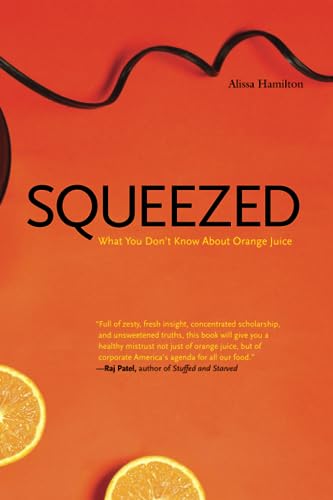
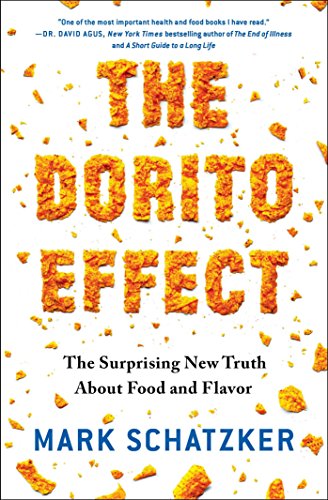
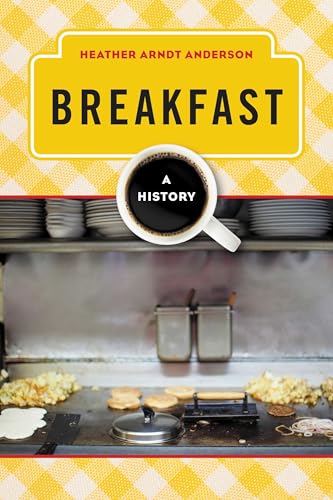
Every dish has a past. These books will take you further into it.
Sources
- The Takeout. Why Is Breakfast Called the Most Important Meal of the Day? Kellogg history, Bernays campaign, General Foods 1944 radio campaign.
- SBS Australia. Breakfast Is the Most Important Meal of the Day: Is It All a Big Con? Marketing history, nutritional science, skipping breakfast framing.
- The Art of Want. Breakfast: The Biggest Marketing Success. Orange juice campaign, cereal marketing, Bernays doctor survey methodology.