Last Updated on July 15, 2026 by Jean Louis
New Food Truck Showcases Global Cuisine from Four Nations

Brief update by Jean-Louis – Published on June 1, 2026
Featured Beestrot Find
I recently read about a new food truck in Sioux Falls that brings together the culinary traditions of four different nations. The truck offers a diverse menu featuring dishes from Mexico, India, Italy, and the United States. This variety is a clever way to attract a wide range of customers who are looking for something different each time they visit.
The owner, a passionate cook with a background in international flavors, carefully selected recipes that represent each nation’s popular street food. For example, you might find tacos alongside curry, pasta, and classic American burgers. The idea is to give people a taste of the world without leaving the city. It’s a bold concept that seems to be resonating with locals.
What I found interesting is how the truck emphasizes quality and authenticity, even with a limited menu. The owner sources ingredients carefully and prepares everything fresh. This isn’t just about fusion or gimmicks—it’s about offering real dishes from each culture. If you’re in Sioux Falls, this is a spot worth checking out for a quick and exciting meal.
Originally reported by Rosemary McCoy for Siouxfalls.Business. Click below to access the full, in-depth article.
Why Chefs Always Rinse Rice Before Cooking
Featured Beestrot Find
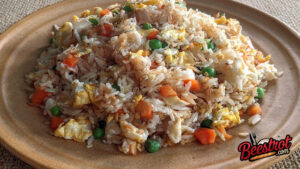
I’ve often wondered if rinsing rice before cooking is really necessary. After reading this article, I learned that most chefs strongly recommend it. The main reason is to remove excess starch from the grain’s surface. If you skip this step, the rice can turn out clumpy and gummy instead of light and fluffy. This is especially true for long-grain varieties like basmati or jasmine, where separate grains are desired. But not all rice needs the same treatment: for example, sushi rice or risotto rice benefits from extra starch, so you might rinse only briefly or not at all.
Another key point is that rinsing can help reduce traces of arsenic, a naturally occurring substance found in rice. The process washes away some of the arsenic from the grain’s outer layer. While not a complete solution, it’s an extra step that can lower your exposure. Also, modern processing often leaves dust or debris from milling, so rinsing ensures cleaner, safer rice.
However, some types of rice, like enriched varieties, may lose added nutrients if rinsed. In that case, the package instructions are your best guide. In short, I now see that a simple rinse makes a real difference in texture, cleanliness, and even health. I’ll be adding this step to my cooking routine, adjusting for the specific rice I’m using.
Originally reported by Anne Wolf for Simply Recipes. Click below to access the full, in-depth article.
The Secret to Tender Chinese Takeout-Style Meat at Home
Featured Beestrot Find
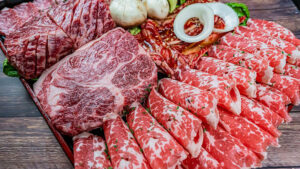
I’ve always wondered how Chinese restaurants get their meat so silky and tender. The trick is a technique called velveting, and it’s surprisingly easy to do at home. It involves marinating thinly sliced meat in a mixture of egg white, cornstarch, rice wine, and seasonings, then briefly cooking it in hot oil or water before stir-frying. This process helps the meat retain moisture and stay tender. No special ingredients are needed—just common pantry staples. Once I started velveting, my stir-fries got a major upgrade. The key is to not skip the step of blanching or oiling the meat quickly after marinating, which sets the coating. Then I just add it back to the wok with the rest of the stir-fry. Results are restaurant-quality without the delivery fee. If you love Chinese takeout but want to control the ingredients or just save money, this is a game-changer. Try it with chicken, beef, or pork—it works for all. I’ll never go back to plain, dry stir-fried meat again.
Originally reported by Melissa Kravitz Hoeffner for Food & Wine. Click below to access the full, in-depth article.
The Godmother of Korean Home Cooking
Featured Beestrot Find
I came across this story about a remarkable woman in South Korea. Her name is Cho Hee-sook, and for decades, she’s been quietly shaping how Koreans think about food. She’s not a flashy TV chef. Instead, she’s a home cook who turned her kitchen into a movement. Through her cooking classes, books, and simple, honest recipes, she taught people to cook with confidence and joy. I find it inspiring how one person can leave such a deep mark on a nation’s eating habits without ever seeking the spotlight.
What struck me most was her philosophy. She believes that cooking isn’t about perfection or fancy techniques. It’s about love, memory, and sharing. Her recipes often come from her own childhood—simple soups, stews, and banchan that taste like home. She’s often called the “godmother” of Korean home cooking because she revived old traditions and made them accessible to modern families. I appreciate that she focuses on the essence of Korean cuisine: balance, seasonality, and respect for ingredients.
The article also shows how her influence has grown beyond Korea. She now has a global audience, with people around the world learning to make her dishes. Even as food trends come and go, her lessons remain timeless. She reminds us that the best food doesn’t have to be complicated. It just needs to be made with care. I think that’s a message anyone, anywhere, can relate to. Her story is a testament to the power of food to connect us across cultures and generations.
Originally reported by K Everything for CNN Edition. Click below to access the full, in-depth article.
Food Safety: A Global Priority for Health and Development

Featured Beestrot Find
I’ve been reading about food safety from the World Health Organization, and it’s clear this is a huge issue worldwide. Unsafe food can cause over 200 diseases, from diarrhea to cancer, and it affects everyone, especially children, the elderly, and those with weak immune systems. The WHO says that about 600 million people get sick from contaminated food each year, and 420,000 die. That’s a lot of preventable suffering, and it also hits economies hard through healthcare costs and lost productivity.
One key point is that food safety is a shared responsibility. Governments need to set standards and monitor them, but food producers, sellers, and even consumers have roles to play. For example, simple things like washing hands, cooking food properly, and keeping raw and cooked food separate can make a big difference. The WHO works with countries to strengthen their food safety systems, especially in places where the problem is worst, like low-income countries.
I also learned that food safety challenges are growing. Climate change, global trade, and changing food production methods are introducing new risks. Antimicrobial resistance is a big concern, as overuse of antibiotics in animals can lead to superbugs. The WHO promotes a “One Health” approach, connecting human, animal, and environmental health to tackle these issues. It’s not just about avoiding a stomach bug—it’s about protecting global health and development.
Originally reported by WHO for World Health Organization. Click below to access the full, in-depth article.