Last Updated on September 29, 2026 by Jean Louis
The chocolate you know is approximately 500 years old. The thing it replaced had existed for 3,000 years before that, and it bore almost no resemblance to what we eat today.
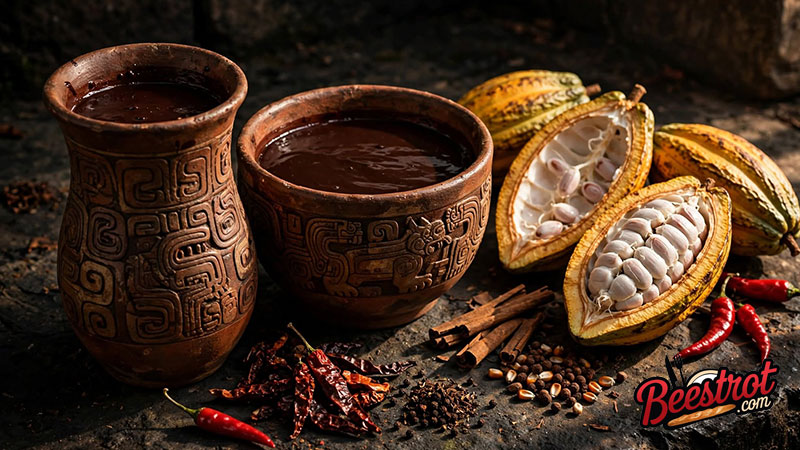
It was bitter. It was spiced with chili. It was served cold, frothed by pouring it from one vessel to another from a height, and it was consumed as a drink. The Olmec people of Mesoamerica, who are the earliest documented producers of cacao-based preparations, were doing this around 1500 BCE. The pyramids at Giza were already a thousand years old. Chocolate, as a concept, is ancient. Chocolate as you recognise it is a European invention, and a relatively recent one.
The Maya took what the Olmecs began and built an entire civilisation around it. They called the drink xocolatl, a word combining the Aztec roots for “bitter” and “water.” It was made by fermenting and roasting cacao seeds, grinding them into a paste, and mixing that paste with water, cornmeal, and chili peppers. The result was a dark, frothy, intensely flavoured liquid that the Maya drank at most meals, used in religious ceremonies, and exchanged as currency. Cacao beans were so valuable that an avocado cost three of them and a good turkey hen cost 100. They were eating the money.
The Aztecs who followed the Maya regarded cacao with even greater reverence. Emperor Moctezuma II was reported to consume 50 cups of xocolatl daily, served in golden goblets. The drink was associated with the god Quetzalcoatl, who according to Aztec legend had given cacao to humanity as a gift. Soldiers were given cacao as a stimulant before battle. Priests offered it at temples. The word Theobroma, the scientific name for the cacao tree, means “food of the gods” in Greek, a name given by the Swedish botanist Carl Linnaeus in the 18th century after learning the Aztec traditions. Even he understood what the Maya and Aztecs already knew.
When Spanish conquistadors arrived in Mesoamerica in the early 16th century, they were introduced to xocolatl. The reaction was not enthusiasm. Hernando Cortes described it as “a bitter drink for pigs.” The Spanish soldiers who tried it generally agreed. The drink was dark, cold, spicy, and entirely unlike anything in the European flavour vocabulary of the time. There was nothing to compare it to and nothing to soften the impact of the raw cacao.
What happened next is the hinge on which the entire history of chocolate turns. Someone, almost certainly at the Spanish court in the early to mid 16th century, added cane sugar. Then cinnamon. Then vanilla. The chili peppers came out. The drink was served hot. The transformation was so complete that what emerged bore almost no resemblance to the xocolatl it descended from. The Spanish aristocracy loved it. For nearly a century, Spain kept the sweetened chocolate drink a state secret, importing cacao and consuming it at court while the rest of Europe knew nothing about it.
The secret leaked, as secrets do. By the mid-17th century, chocolate houses had opened in London and Paris, fashionable establishments where the elite gathered to drink sweetened hot chocolate and conduct business. The drink served at the royal wedding of King Louis XIII of France in 1615 was chocolate. Samuel Pepys recorded drinking chocolate in his diary. It was simultaneously a luxury, a stimulant, and a social ritual.
The solid chocolate bar that most people today consider the default form of chocolate did not exist until 1847, when the British firm J.S. Fry and Sons figured out how to mix cocoa powder, sugar, and cocoa butter into a solid that could be moulded. Before that, for the entire history of chocolate in Europe, it was a drink. Eaten chocolate is, in historical terms, a very recent development. The 3,000 years of bitter cacao drink vastly outweigh the 170-odd years of chocolate bars.
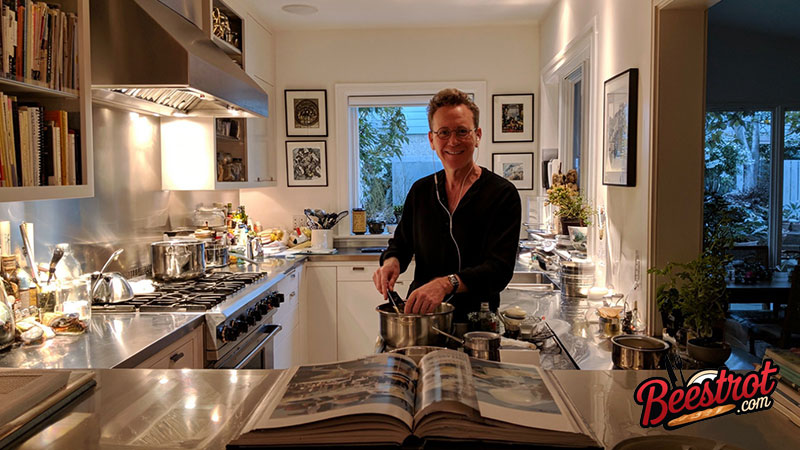
I find this history genuinely moving, as a cook who works with chocolate regularly. The raw cacao I use in my kitchen is still, at its core, the same bitter, complex, extraordinary ingredient that Olmec farmers were processing in Mexico three millennia ago. What changed was not the ingredient. What changed was the European decision to add sugar. One addition rewrote the entire story. The thing we call chocolate today is a collaboration across continents and centuries, built on top of a tradition that was already ancient when Columbus arrived.
Next time you eat a piece of chocolate, consider what it replaced. Three thousand years of bitter, spiced, cold cacao drink, consumed by civilisations that considered it sacred, used it as currency, and gave it to human sacrifice victims to raise their spirits before they died. The bar in your hand is the sweet, simplified version. The original was considerably stranger.
The kitchen never lies. History sometimes does.
Jean Louis
Every dish has a past. These books will take you further into it.
Sources
- Babbel Magazine. The History of Chocolate: A Bittersweet Tale. Olmec, Maya, Aztec origins and Spanish transformation.
- Cacao and Cardamom. The History of Chocolate. From bitter drink to European luxury, timeline and details.
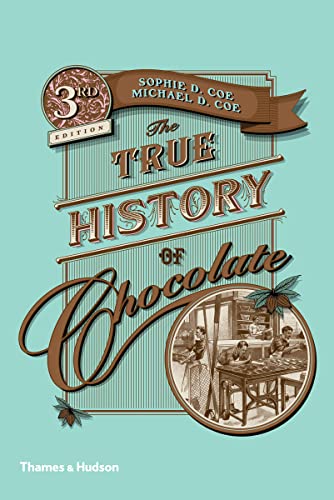
- Sophie and Michael Coe. The True History of Chocolate. Thames and Hudson, 2013. University of Notre Dame library record.