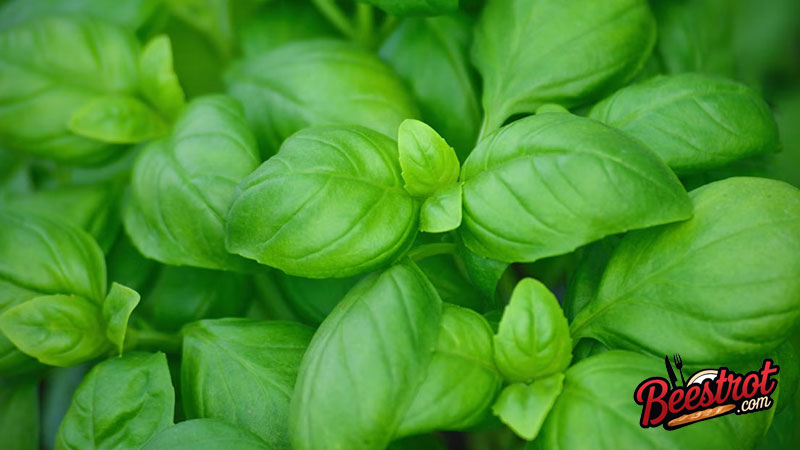
There is a particular frustration that belongs to basil alone. You bring it home from the market, set it on the windowsill, water it carefully, and watch it begin to collapse within a week. The leaves yellow, then droop, then the stems go soft. You try more water. Then less. Then more light, then less. Nothing helps. You buy another pot and the same thing happens. At some point most people conclude they cannot grow basil indoors and stop trying. That conclusion is wrong, but the problem is real and it has a specific cause, or rather several specific causes that tend to arrive together. Understanding them changes the outcome entirely.
What You Are Actually Buying at the Supermarket
The basil sold in plastic pots at most supermarkets and grocery stores is not designed to live. That is not an exaggeration. It is grown in commercial greenhouse conditions with controlled light, precise fertilization, and ideal temperatures, then harvested at the point of peak visual appeal and sold as quickly as possible. What you are purchasing is closer to a cut herb than a living plant. It was never intended to thrive on a home windowsill for weeks or months. It was intended to look good on the shelf and in your kitchen for the few days between purchase and use.
There is more. That compact, lush-looking pot almost always contains not one basil plant but many: anywhere from ten to thirty seedlings crammed together into a container too small to sustain even one of them for long. The roots are already fighting each other. The soil is likely a dense peat mix that retains water poorly under normal home conditions. If you want any of those seedlings to live past two weeks, the pot they came in is not where they should stay.
Supermarket basil pots typically contain ten to thirty seedlings grown together in a container sized for display, not longevity. The roots are crowded from the moment of purchase. Transplanting into individual larger pots with fresh well-draining compost, within a day or two of bringing it home, gives the plants their first real chance at survival.
The Light Problem Is Almost Always Underestimated
Basil is a tropical plant. It evolved in the warm, bright conditions of Southeast Asia and India, where sunlight is intense and days are long. It needs six to eight hours of direct sun each day to grow properly. A north-facing windowsill in autumn or winter does not come close to providing this. Even a south-facing window in a temperate climate provides less light than basil genuinely wants, particularly once the days shorten past the summer months.
A basil plant that is not getting enough light does not announce this dramatically. It just slowly declines. The new leaves come in smaller and paler. Growth slows. The plant becomes more susceptible to both overwatering and cold stress because it lacks the energy to manage either. If you are serious about growing basil through autumn and winter, a grow light positioned close above the plant, running ten to twelve hours a day, solves this problem cleanly. It is not a complicated intervention. It is the difference between managing a slow decline and actually growing something.
Water, Soil, and the Root System
Basil dislikes having wet roots and will show it quickly: yellowing lower leaves, soft stems, and eventually collapse are all signs of a root system sitting in water too long. The fix sounds simple but requires some attention in practice. Water when the top centimeter or two of soil is dry to the touch, then water thoroughly so it drains freely from the bottom of the pot. Empty the saucer after watering so the roots are not sitting in pooled water.
The soil itself matters as much as the watering. A dense, water-retentive mix stays too wet between waterings in most indoor conditions. A well-draining potting compost, ideally with some perlite mixed in to improve aeration, gives the roots what they need: moisture available when they want it, air when they do not. Jekka McVicar’s Jekka’s Complete Herb Book covers the soil requirements of each herb in precise detail, and her approach to basil is consistent with what any professional herb grower will tell you: drainage is not optional, it is the foundation everything else depends on.
Basil’s two most common indoor killers are insufficient light and poor drainage, and they often arrive together. A plant weakened by low light uses water more slowly, which means even careful watering can leave roots sitting wet for too long. Solving the light problem also reduces the severity of the watering problem.
Temperature and the Cold Window
Basil is killed by cold and damaged by cold air before it is killed outright. The minimum comfortable temperature is around 15 degrees Celsius. Below that, growth stalls and the plant becomes stressed. Below ten degrees, damage becomes visible quickly. A windowsill in winter, even in a heated room, often has a cold microclimate directly against the glass where night temperatures drop significantly below the rest of the room. Moving the pot a foot or two away from the glass in cold months, or onto a different surface entirely, can extend its life considerably without any other change.
Cold drafts from opening windows nearby have the same effect as sustained cold: they stress the plant faster than stable cool temperatures would. Basil positioned near a frequently opened window in autumn or winter is in a difficult spot regardless of how much light it receives.
How You Harvest Changes How Long It Lives
The way most people harvest basil is also the way most people shorten its life. Pulling leaves from the bottom of the plant removes the oldest growth and leaves the flowering stems at the top to continue developing. What you want to do is the opposite: harvest from the top, cutting just above a pair of leaves, which forces the plant to branch outward rather than grow upward toward flowering. A basil plant that flowers has completed its biological objective. The leaves become smaller and more bitter, and the plant begins to decline. Pinching off any flower buds the moment they appear delays this significantly.
Understanding how basil relates to the other ingredients around it is part of keeping it worth growing. The Flavor Bible by Karen Page and Andrew Dornenburg maps the full range of what basil connects to in the kitchen: tomatoes and mozzarella are the obvious pairing, but the list extends to stone fruits, certain cheeses, white wine, and a range of spices that most people never think to combine with it. A living basil plant on your windowsill is worth more to the kitchen than a packet of dried leaves ever will be, if you understand what to do with it.
Harvesting basil from the top, cutting just above a leaf node, encourages branching and delays flowering. A plant that flowers is a plant that has decided it is done growing leaves. Removing flower buds as soon as they appear can extend productive leaf growth by weeks.
Starting From Seed
The most reliable way to grow basil indoors, if you are willing to invest a little patience at the beginning, is to start from seed rather than buying a supermarket pot. Basil germinates quickly in warm conditions, usually within five to ten days at temperatures above 20 degrees Celsius. Starting a small number of seeds in individual cells or a small pot, thinning to one or two seedlings per container, and growing them on under a grow light from the beginning produces plants that are adapted to your specific conditions from the start. They have never known the controlled perfection of a commercial greenhouse. They are already yours.
Elizabeth Millard’s Indoor Kitchen Gardening covers this process across a range of edible plants, and her approach to indoor herbs applies directly here: the setup matters more than the variety, and a modest investment in the right conditions at the beginning saves considerably more effort managing slow decline later. Two weeks is not how long basil is supposed to live. It is just how long it lives when the conditions are wrong from the first day you bring it home.
Every spice carries a world inside it. I am just learning to listen.
Jean Louis


Sources
- Basil, Wikipedia
- Ocimum basilicum, Wikipedia
- Growing Basil, Royal Horticultural Society
- Growing Basil, University of Minnesota Extension