Pick up almost any recipe that calls for caramelised onions and read the instruction. Five minutes, it will say. Perhaps eight. Perhaps a generous ten. Put a medium heat under the pan, add your onions, and in the time it takes to do something else, you will have soft, golden, deeply sweet onions ready to go. This is what the recipe says. It is not what happens.
What actually happens is that after ten minutes you have onions that are soft but pale, still tasting mostly of raw onion with the sharp edges cooked off. They are edible. They are not caramelised. The gap between those two things is not a matter of personal preference or cooking style. It is a matter of chemistry, and the chemistry does not negotiate with recipe writers who are in a hurry.
An onion is roughly ninety percent water. Before any browning can occur, a significant portion of that water has to leave the pan. That alone takes time. The five-minute recipe has not accounted for this. It has, in most cases, never been tested under real kitchen conditions by someone watching a clock.
I’ve been cooking professionally for long enough to know that some kitchen myths persist not because they are true but because they are repeated. A wrong recipe gets published. It gets copied. The copies get copied. By the time a home cook reads it, the false timing has been repeated often enough that it feels authoritative. The onions take the blame for not cooperating.
What Caramelisation Actually Is
The word caramelisation is used loosely in cooking to cover two distinct chemical processes that both require heat and time. The first is the Maillard reaction, which is the browning that occurs when amino acids and reducing sugars are exposed to heat above roughly 140 degrees Celsius. The second is true caramelisation, the breakdown of sugar molecules that occurs at around 160 degrees Celsius and higher, producing the complex bitter-sweet flavour compounds that make properly cooked onions taste the way they do.

OXO Good Grips Handheld Mandoline Slicer
Paper-thin slices in seconds — cucumbers, potatoes, zucchini, fennel. The kind of prep tool that makes you feel like a real chef.
View on AmazonNeither of these reactions can begin until the surface of the onion is dry enough to reach the temperatures required. An onion sitting in its own released water is essentially boiling, not browning. The cooking temperature at the surface of the onion stays close to 100 degrees Celsius as long as there is significant moisture present. That is not hot enough for Maillard. It is not hot enough for caramelisation. It is hot enough to soften the onion and drive off some water, which is a necessary first step, but it is not the destination.
This is why raising the heat does not speed up caramelisation in any useful way. Higher heat evaporates the water faster, but it also burns the outer layers before the interior has softened. The result is scorched edges, raw centres, and a bitter taste that no amount of deglazing will fully fix. Low and slow is not a preference. It is what the chemistry requires.
Onions also contain around five percent sugar by weight, mostly fructose. That sugar is what becomes the deep amber sweetness of a properly caramelised onion. But it is locked inside cells full of water, and those cells have to soften and break down before the sugar concentrates and becomes available for browning. This takes time at a temperature that is high enough to cook without burning. That temperature is medium-low. That time is not five minutes.
Why Recipes Keep Getting It Wrong
Recipe development for publication operates under constraints that home cooking does not. A food writer testing recipes under a deadline, or a publisher looking for dishes that fit a weeknight narrative, has reasons to be optimistic about timing. Five minutes is a weeknight ingredient. Forty-five minutes is a weekend project. The incentive to round down is structural, and once a recipe with shortened timing is published and copied, the false number acquires credibility through repetition alone.
There is also the problem of what writers mean when they say caramelised. Some mean fully caramelised: dark amber, jammy, deeply sweet, reduced to a fraction of their original volume. Others mean softened and lightly golden, which is a different and less demanding outcome. The word gets used for both results, which means a recipe that promises caramelised onions in eight minutes may technically deliver something pale and barely golden, call it caramelised, and leave the cook wondering what they did wrong.
In a professional kitchen, mise en place is built around accurate timing. The prep list accounts for what things actually take. No professional kitchen writes forty-five minutes of caramelising onions as a ten-minute task, because the kitchen would run out of onions before service. The accuracy exists because the consequences of being wrong are immediate and visible. Recipe books face no such pressure.
The New York Times ran a piece in 2012 on exactly this problem, noting that the claim of five-minute caramelised onions had become so endemic in food writing that it was almost impossible to avoid. The article tested multiple published recipes and found that actual caramelisation consistently required between thirty and sixty minutes depending on pan size, quantity, and heat level. Nothing in the published recipes came close to that range.
What the Process Actually Looks Like
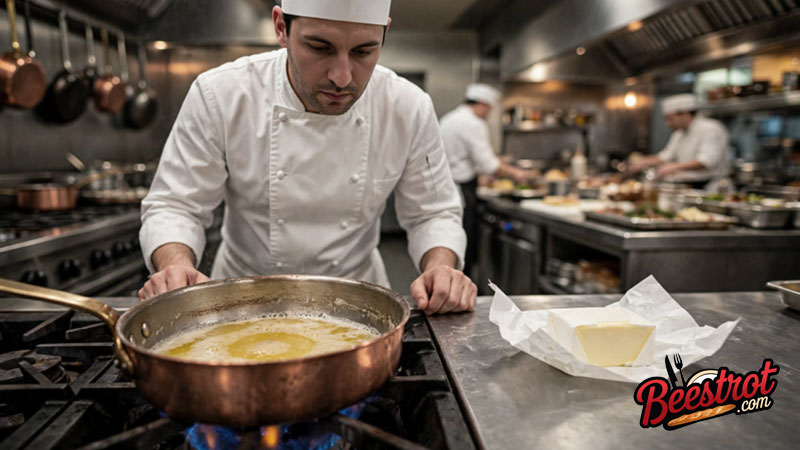
Slice your onions. Use a heavy-bottomed pan wide enough that the onions are not piled more than a few centimetres deep at the start. Add fat: butter, olive oil, or a combination. Set the heat to medium-low. Add a pinch of salt at the beginning, which helps draw moisture out of the onion cells and starts the softening process faster.
For the first fifteen to twenty minutes, nothing dramatic happens. The onions soften. They lose volume. They turn translucent. This stage requires almost no attention, just an occasional stir to prevent anything catching on the bottom. The pan looks unimpressive. This is correct.
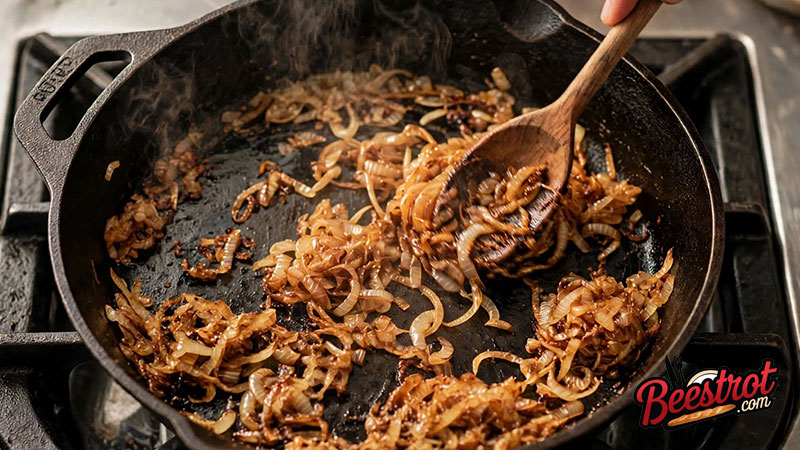
Between twenty and thirty minutes, the onions begin to colour. The moisture has reduced enough that the surface temperature can climb. You will start to see pale gold at the edges. Stir more frequently now. If anything sticks and starts to build up on the pan surface, add a small splash of water or wine and scrape it up. That brown fond is concentrated flavour. Dissolving it back into the onions is not a corrective measure. It is a technique, and it intensifies the final result.
Between thirty and fifty minutes, depending on quantity and heat, the onions reach the dark amber stage that the word caramelised is supposed to mean. They are reduced to roughly one quarter of their starting volume. They taste sweet, complex, slightly bitter at the edges, and nothing like a raw onion. This is what the recipe was promising in five minutes. This is when they are done.
What to Change Next Time
The practical adjustment is to stop reading recipe timings for caramelised onions as instructions and start reading them as fiction. Set aside forty-five minutes the first time. Use a timer not to tell you when they are done but to track how the stages progress so you learn what each stage looks like. After two or three attempts, you will not need to watch the clock. The colour and smell will tell you where you are.
Use more onions than you think you need. The reduction is dramatic. What fills a large pan at the start will fit comfortably in a small bowl when finished. Caramelised onions also keep well in the refrigerator for several days, which means cooking a large batch on a day when you have time pays back across the week.
The pan matters more than most cooks realise. A thin pan concentrates heat unevenly and creates hot spots that scorch before the rest of the surface browns. A heavy cast iron or stainless steel pan distributes heat consistently and allows the low, steady cooking temperature the process requires. This is not about expensive equipment. It is about understanding what the tool needs to do.
The five-minute recipe is not going away. It will continue to be written, published, and read. The onions will continue not to cooperate. The only thing that changes is whether the cook blames themselves or the recipe. Yes, it will take longer than the instructions suggest. That is not a failure of your kitchen or your technique. It is simply the difference between what a recipe promises and what caramelisation actually requires. The result will not be the same. It will be better, in a way that makes the extra time difficult to regret.
A recipe is a promise. A technique is the truth behind it.
Jean Louis
Sources
- New York Times, The Recipe Writers Who Lie
- Wikipedia, Maillard Reaction
- Wikipedia, Caramelization
- Serious Eats, The Importance of Properly Caramelized Onions
- ScienceDirect, Maillard Reaction in Food Science
More Delicious Reads
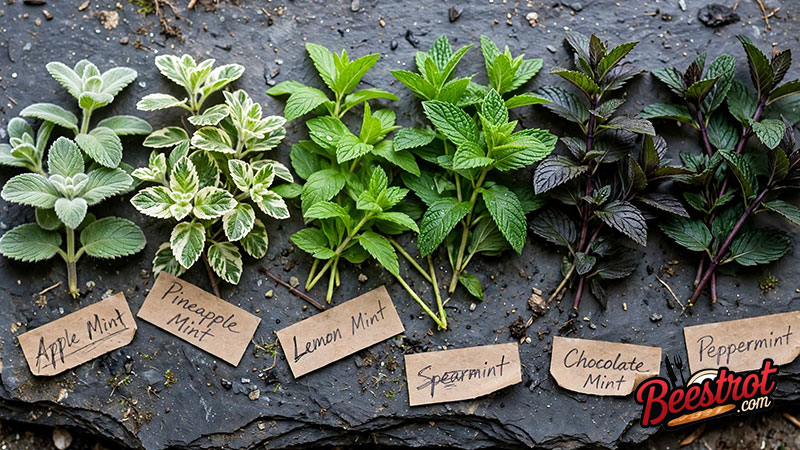
Mint Is Not One Herb. There Are Over 600 Species. Here Is How to Choose the Right One for What You A...
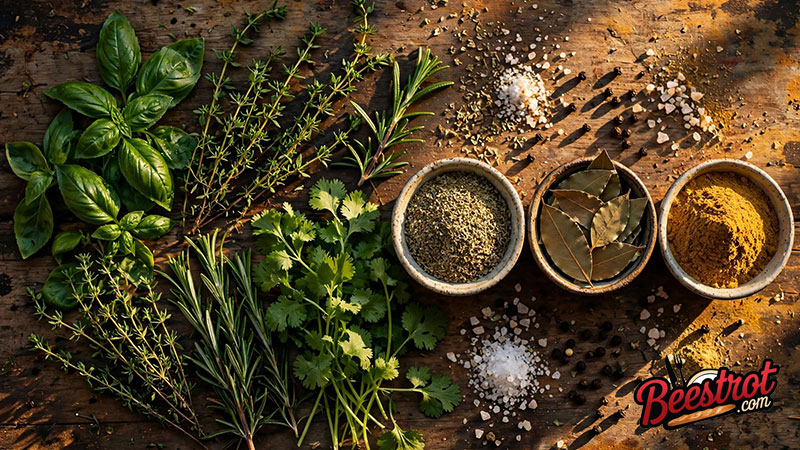
Fresh vs. Dried Herbs. The Rule Every Professional Cook Knows and Nobody Teaches.
Yoghurt Was Made for Thousands of Years Before Anyone Understood What Was Happening Inside It. Nomad...
Professional Pastry Is Weighed to the Gram. Volume Measures Are Why Your Baking Is Inconsistent.
Chocolate Was a Bitter Drink for 3,000 Years. Someone Decided to Add Sugar. Everything Changed.

Champagne Was Invented by Accident. The Man Who Gets Credit for It Tried to Prevent It.
Sushi Was Originally Street Food Sold in Less Than 30 Seconds. Here Is What Happened to It.
Mise en Place Is Not Organisation. It Is a Philosophy That Changes How You Experience Cooking.
Peanut Butter Was Patented Before Americans Had Learned to Like Peanuts. The Man Behind It Was Not W...