There is a bottle in my kitchen that says extra virgin olive oil from Provence in France. It is a well-known brand. It was not cheap. I bought it because extra virgin is the best grade, the one the label implies is pressed from perfect fruit, handled with care, chemically unaltered. I have been buying it for years without thinking much about it.
Then I read about what extra virgin actually means under current international standards, what percentage of products labelled that way fail independent quality tests, and what the ancient Greeks would have made of the entire situation. The bottle has not moved. I am still thinking about it.
Eight Thousand Years of Pressing
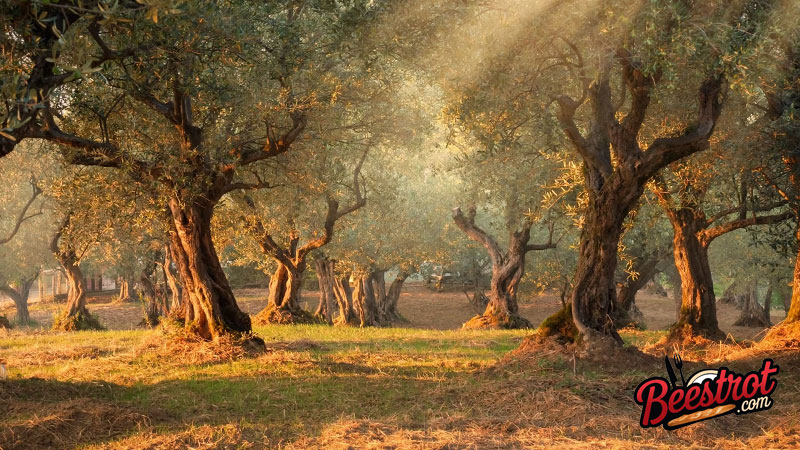
Olive oil production is documented as far back as 6000 BCE in the region around modern Israel, Palestine, and Jordan. By 3000 BCE it had spread across the Mediterranean basin. The ancient Egyptians used it. The Minoans traded it. By the classical Greek period, olive oil was not merely a food product but a currency, a religious offering, a medicine, an athletic preparation, and a lamp fuel. The olive tree was so embedded in Greek civic life that Athenian law prohibited cutting one down on private land without special permission.
The Greeks did not just produce olive oil. They graded it. They regulated it. They developed a vocabulary for its quality that distinguished between oil from the first pressing, oil from subsequent pressings, oil from unripe fruit, oil from ripe fruit, and oil that had been stored too long or produced carelessly. This was not culinary pedantry. It was economic and civic infrastructure.
Athenian law treated olive oil adulteration as a serious offence. Mixing lower-grade oil with higher-grade and selling it as the superior product was not a grey area. Mort Rosenblum, in Olives, traces how the Mediterranean’s relationship with the olive tree produced legal and cultural frameworks around oil quality that persisted for millennia, shaping the trade standards that modern producers still nominally invoke even as market pressures have hollowed out what those standards require in practice.

OXO Good Grips Handheld Mandoline Slicer
Paper-thin slices in seconds — cucumbers, potatoes, zucchini, fennel. The kind of prep tool that makes you feel like a real chef.
View on Amazon
The Romans inherited Greek quality distinctions and expanded them. Roman texts describe four grades of olive oil based on acidity, pressing sequence, and fruit condition. The first grade, oleum ex albis ulivis, pressed from unripe green olives, was considered the finest. The grades descended from there. The language of quality was precise because the stakes were real: olive oil was a commodity of the ancient world in the way that petroleum is a commodity now, and what it actually contained mattered to everyone in the transaction.
What Extra Virgin Is Supposed to Mean
The International Olive Council defines extra virgin olive oil as oil with a free acidity of no more than 0.8 grams per 100 grams, produced solely by mechanical means without chemical treatment, with no defects detectable by a trained sensory panel. The acidity threshold exists because low acidity indicates the oil was pressed from healthy fruit quickly and correctly. The sensory panel requirement exists because chemistry alone does not capture what is wrong with oil that has been poorly stored, improperly handled, or blended with older product.
Tom Mueller, in Extra Virginity, spent years investigating how thoroughly this definition is honoured in the actual market. His findings, reported in a 2007 New Yorker article before being expanded into the book, are not reassuring. Independent laboratory testing of products labelled extra virgin in American and European supermarkets found that a significant proportion failed either the chemical standards or the sensory standards or both. Some failed both. The oils were legally labelled extra virgin. They were not, by the definition that label is supposed to invoke, extra virgin.
The gap between the label and the contents is not primarily the result of outright fraud, though outright fraud exists. It is the result of a supply chain in which standards are set by one body, enforcement is conducted by national authorities with varying levels of interest in enforcement, and the financial incentives at every step reward selling cheaper oil for the price of better oil. Felipe Fernandez-Armesto, in Food: A History, situates this kind of quality drift within a longer pattern: the foods most valued in human history are consistently the ones most subject to adulteration, because the premium attached to quality creates a permanent incentive to simulate it.
This is not a new observation. It is a very old one. The ancient Greeks made it. The Romans made it. Medieval spice traders navigated it. The olive oil market has simply arrived at its own version of the same problem, equipped with modern chemistry and global supply chains that make the original source of any given product nearly impossible for the consumer to verify.
What Is Actually in the Bottle
The most common form of olive oil adulteration is not adding a different substance. It is blending. Oil that has oxidised slightly, stored too long, or pressed from damaged fruit falls below extra virgin threshold. That oil can be blended with genuinely high-quality oil in proportions that bring the mixture close to, or just within, the chemical thresholds while degrading the flavour and nutritional profile that made the better oil worth buying. The result passes a chemical test. It fails a blind tasting by people who know what good olive oil tastes like.
A second issue is geographic labelling. Italian olive oil is a premium category in most markets. Oil described as Italian olive oil may legally contain oil pressed from olives grown elsewhere, as long as it was bottled in Italy. The regulations on origin labelling have tightened in recent years but the category of “bottled in Italy” continues to carry weight with consumers that “pressed from Italian olives” would more accurately deserve.
The simplest way to identify genuinely high-quality olive oil is also the least convenient. Single-estate oils with a harvest date on the label, sold within eighteen months of that date, from producers whose practices can be verified, are the closest a retail consumer can get to the kind of product the ancient Greeks were protecting when they made adulteration a civic offence. That oil exists. It is not what most bottles labelled extra virgin contain. The gap between the two is eight thousand years old and showing no signs of closing.
I have not thrown out the bottle. I have started reading harvest dates. It turns out very few bottles carry them, which is itself a kind of answer to the question I did not know I was asking.
Every dish has a past. I am just following it back to the beginning.
Jean Louis


Sources
- Olive oil, Wikipedia
- Olive oil regulation and adulteration, Wikipedia
- Agriculture in ancient Greece, Wikipedia
- IOC Olive Oil Standards, International Olive Council
- Olive oil in antiquity, Wikipedia
More Delicious Reads

The Guide Escoffier: The Culinary Bible That Shaped Modern Cooking
The Pretzel Was Invented by a Monk as a Reward for Children Who Learned Their Prayers. The Shape Is ...
The Tomato Was Considered Poisonous in Europe for 200 Years. Here Is Why.

Subway: The $1,000 Bet That Built and Nearly Buried an Empire
Mise en Place Is Not Organisation. It Is a Philosophy That Changes How You Experience Cooking.

Tea Was Not a British Tradition Until 1662. One Portuguese Woman Changed Everything.
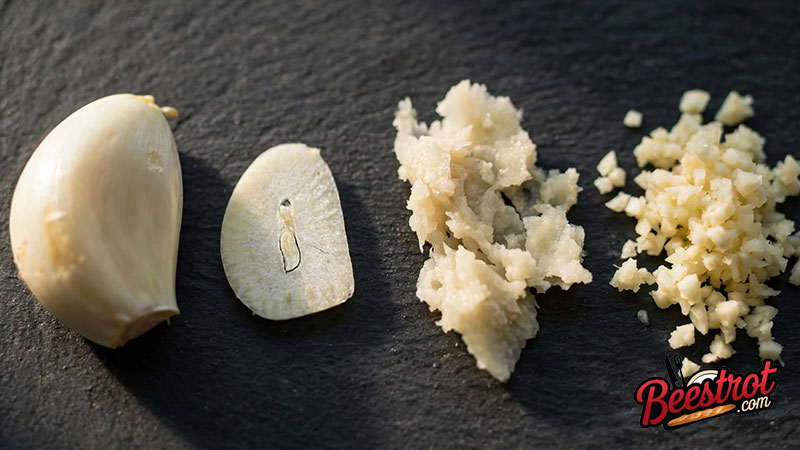
How You Cut Garlic Changes What It Tastes Like. Four Cuts, Four Flavours.

Pizza Was Peasant Food Eaten With the Hands in the Street. The Version the World Loves Was Invented ...

KFC: The 65-Year-Old Failure Who Built a Billion-Dollar Chicken Empire